Precision Molds
Industry Requirements
Plastic molds, die-casting molds, and metal forming molds require ultra-high hardness, excellent wear resistance, and impact resistance. After heat treatment, workpiece deformation must be strictly controlled (deformation ≤ 0.02 mm), with no cracking, uneven surface hardness, or decarburization. This effectively extends mold service life, reduces mold replacement and production costs, and meets the dual needs of high-precision machining and mass production, complying with stringent dimensional accuracy standards in the mold industry.
Applicable Workpieces
Large plastic injection molds, non-ferrous metal (aluminum, zinc, magnesium alloy) die-casting molds, metal stamping and forming molds, industrial tools and fixtures, precision mold cores, mold inserts, mold guide components, powder metallurgy molds, etc.
Custom Solutions
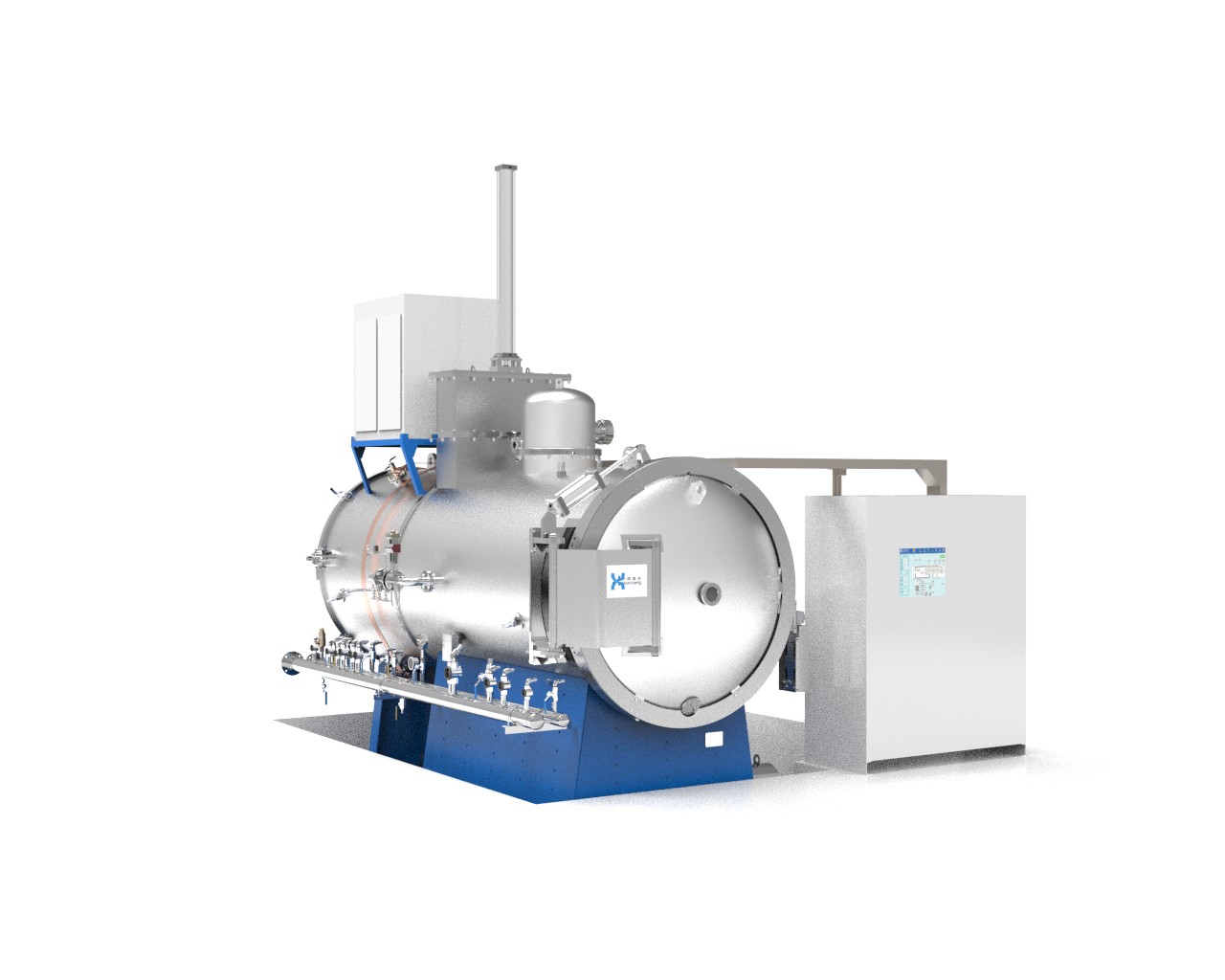
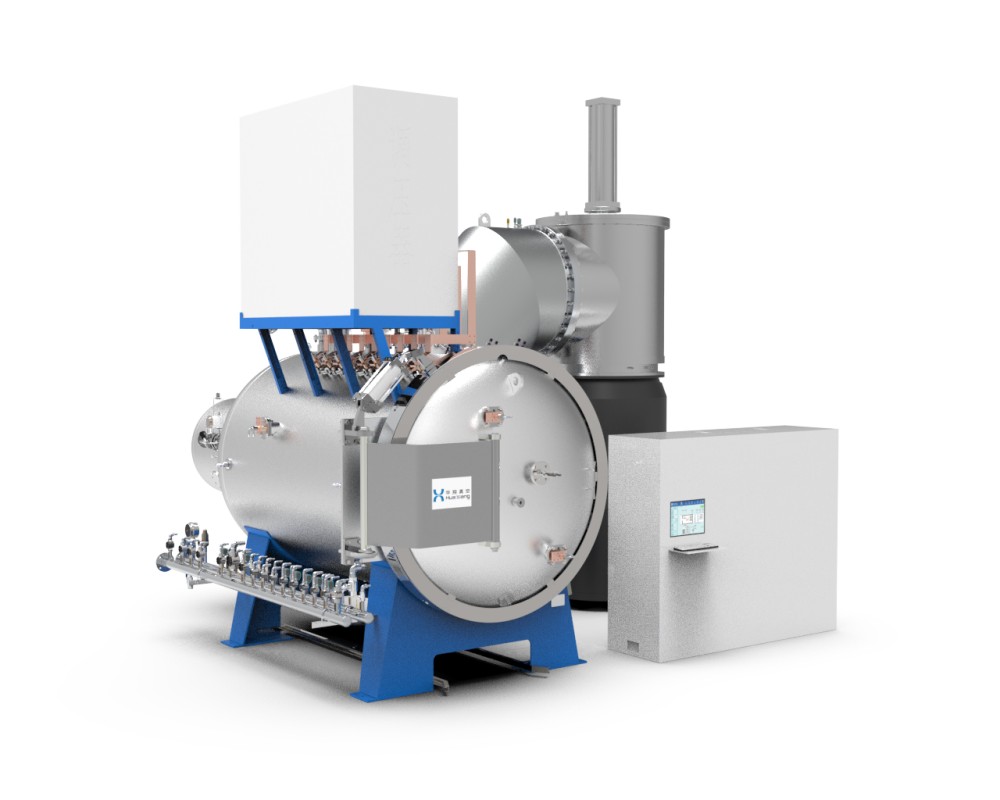
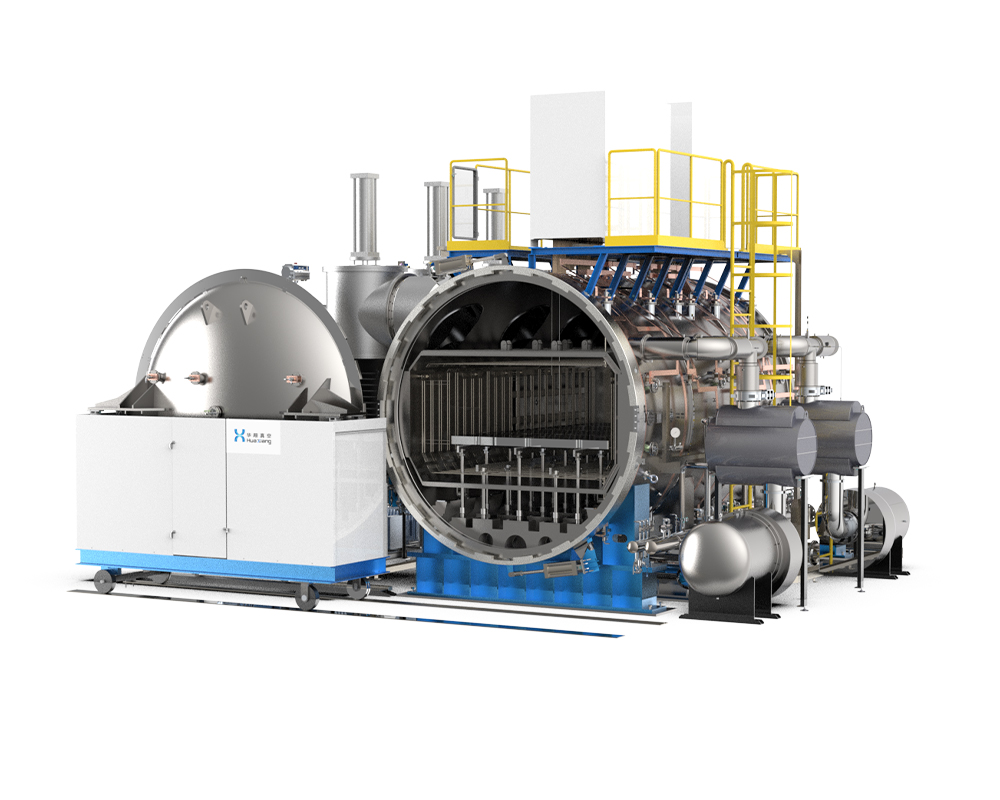
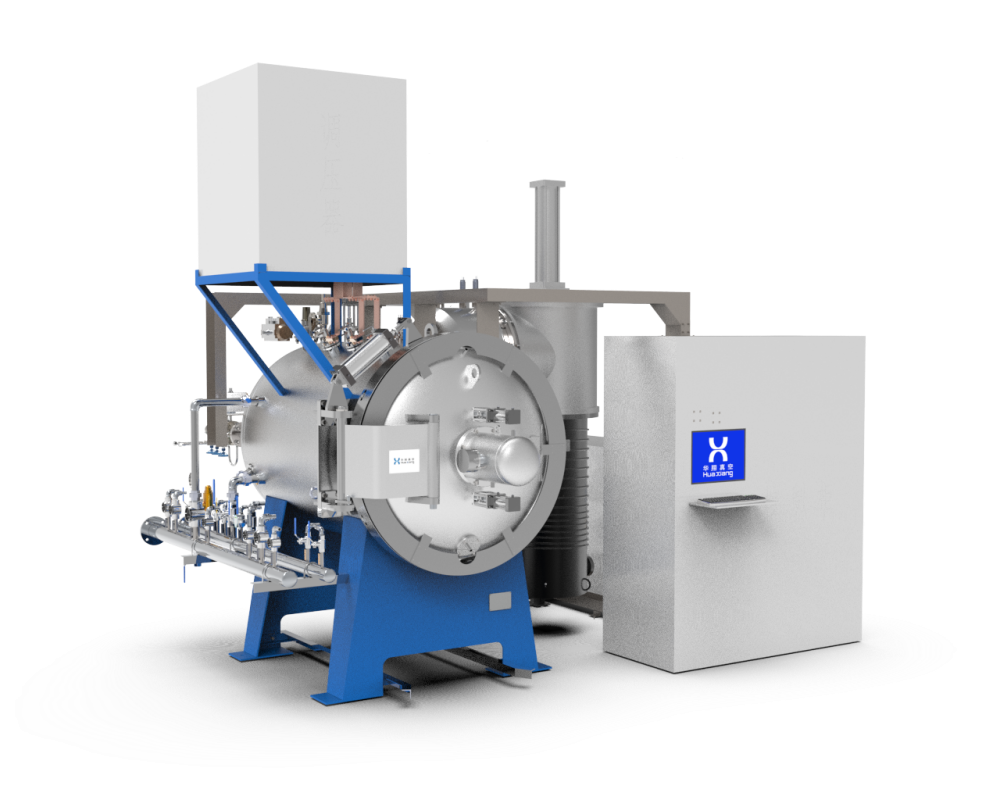
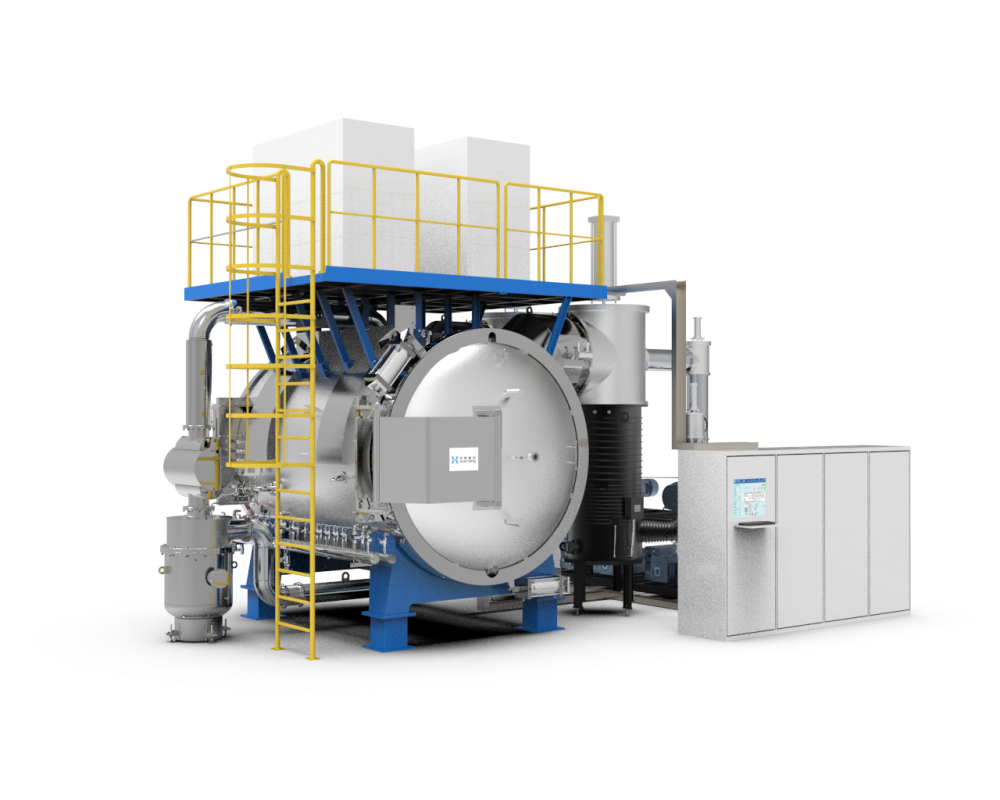
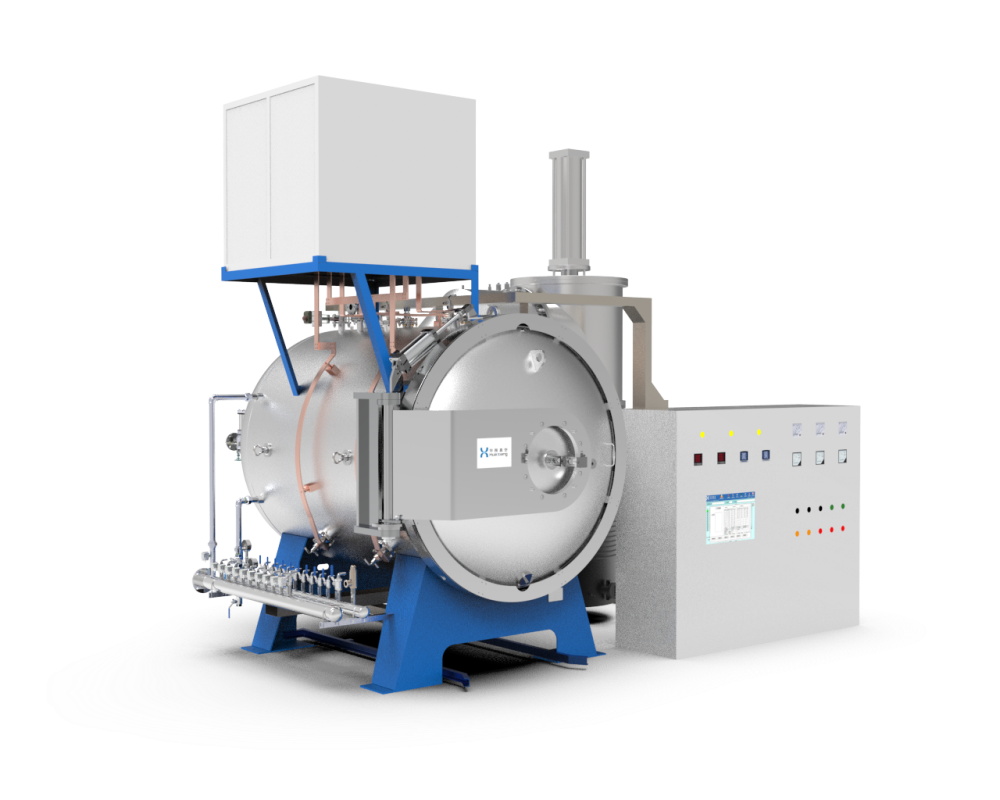
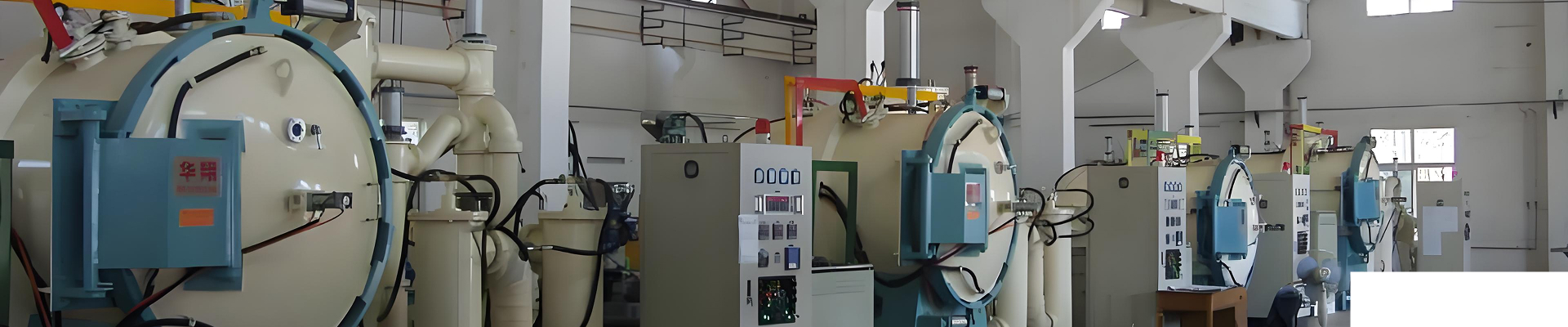
We use vertical and horizontal vacuum quenching furnaces together with vacuum tempering furnaces, supported by precision straightening equipment and temperature control systems. These deliver processes including uniform bulk quenching, low-temperature precision stress relief, constant-temperature precision tempering, and vacuum aging. By adopting staged temperature control and holding technology, we fundamentally address common industry issues such as deformation, surface decarburization, and substandard hardness. This significantly improves mold wear resistance, impact resistance, and dimensional stability, extending service life by over 30%. The solution meets heat treatment requirements for large, medium, and small industrial molds, conforming to high-precision production standards.
-
Previous
-
Next